Corporate Governance and Ethical Leadership in Modern Organisations
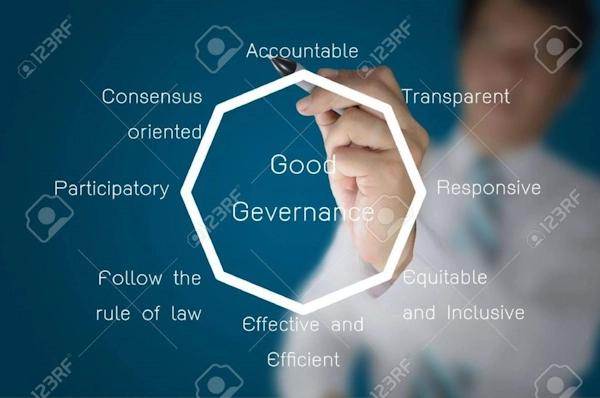
Corporate governance and ethical leadership are fundamental pillars of modern organisational management, ensuring transparency, accountability, and sustainable business performance. In an increasingly complex and regulated business environment, organisations are expected to operate with integrity, ethical responsibility, and strong governance structures. Corporate governance refers to the system of rules, practices, and processes by which organisations are directed and controlled, while ethical leadership focuses on decision-making that aligns with moral values, organisational principles, and stakeholder interests. Together, these elements enhance organisational credibility, strategic stability, and long-term sustainability.
Understanding Corporate Governance in Modern Organisations
Corporate governance provides the structural framework through which organisational objectives are set, performance is monitored, and accountability is maintained. It involves the roles of the board of directors, executive management, shareholders, and regulatory bodies in overseeing organisational operations and strategic direction. Effective governance ensures that business activities align with legal requirements, ethical standards, and stakeholder expectations.
Strong corporate governance frameworks promote responsible decision-making, reduce operational risks, and enhance investor confidence. Organisations with well-established governance systems are better equipped to manage financial transparency, regulatory compliance, and strategic accountability.
Core Principles of Corporate Governance
| Principle |
Description |
Organisational Impact |
| Accountability |
| Clear responsibility for decisions and actions |
|
| Improved governance control |
|
|
|
| Open disclosure of financial and operational information |
|
|
| Fairness |
| Equal treatment of stakeholders |
|
| Ethical business practices |
|
| Responsibility |
| Compliance with laws and ethical standards |
|
|
The Role of Ethical Leadership in Organisational Management
Ethical leadership plays a crucial role in shaping organisational culture, decision-making processes, and governance effectiveness. Ethical leaders prioritise integrity, fairness, and transparency while making strategic and operational decisions. They act as role models, influencing employee behaviour and promoting ethical conduct across all organisational levels.
In modern organisations, ethical leadership is essential for maintaining stakeholder trust, preventing corporate misconduct, and ensuring responsible business practices. Leaders who demonstrate ethical behaviour foster a culture of accountability and integrity, which strengthens organisational reputation and long-term performance.
Governance Structures and Board Effectiveness
The board of directors is a key component of corporate governance, responsible for strategic oversight, risk management, and executive accountability. An effective board ensures that organisational decisions align with strategic objectives and ethical standards.
Board effectiveness depends on independence, expertise, diversity, and clear governance policies. Regular performance evaluations, transparent reporting systems, and ethical oversight mechanisms enhance governance efficiency and organisational stability.
Key Functions of Governance Boards
- Strategic oversight and policy formulation
- Risk management and compliance monitoring
- Financial transparency and accountability
- Ethical supervision of executive decisions
Corporate Governance and Strategic Decision-Making
Corporate governance directly influences the quality of strategic decision-making within organisations. Governance frameworks establish clear decision protocols, risk assessment systems, and accountability mechanisms that guide managerial actions.
When governance systems are strong, strategic decisions are more structured, transparent, and aligned with long-term organisational goals. This reduces the likelihood of unethical practices, financial mismanagement, and strategic failures.
|
|
|
|
|
|
| Monitoring executive decisions |
|
|
|
|
| Financial review and control |
|
|
|
|
| Ethical and operational guidelines |
|
| Consistent decision processes |
|
|
|
|
| Legal and reputational protection |
|
Transparency and Accountability in Modern Governance Systems
Transparency and accountability are central to effective corporate governance. Transparent reporting practices ensure that stakeholders receive accurate and timely information regarding organisational performance, financial results, and strategic initiatives.
Accountability mechanisms, such as internal audits, governance reviews, and performance monitoring systems, ensure that executives and managers are responsible for their actions. This strengthens organisational trust and reduces governance risks.
Ethical Decision-Making and Organisational Integrity
Ethical decision-making is a critical aspect of governance and leadership in modern organisations. Ethical leaders evaluate the social, legal, and organisational implications of their decisions, ensuring that business practices align with ethical standards and corporate values.
Organisations that prioritise ethical decision-making reduce the risk of corporate scandals, regulatory violations, and reputational damage. Ethical governance also supports sustainable business practices and long-term stakeholder relationships.
Risk Management and Governance Integration
Corporate governance frameworks are closely linked to organisational risk management. Governance structures help identify, assess, and mitigate financial, operational, and strategic risks. Effective governance ensures that risk management policies are integrated into organisational planning and decision-making processes.
|
|
|
|
|
|
| Audit and financial controls |
|
|
|
|
| Policy and process oversight |
|
|
|
|
| Ethical leadership and transparency |
|
|
|
|
| Regulatory governance systems |
|
|
Corporate Governance and Organisational Performance
Strong corporate governance contributes significantly to improved organisational performance and long-term business success. Governance systems enhance strategic control, operational transparency, and managerial accountability. This leads to better resource allocation, efficient decision-making, and consistent performance monitoring.
Organisations with effective governance frameworks often achieve higher investor confidence, improved financial performance, and stronger market reputation. Governance-driven performance management also supports continuous organisational improvement and strategic growth.
Challenges in Implementing Effective Corporate Governance
Despite its importance, implementing effective corporate governance can present several challenges. These may include lack of leadership commitment, weak governance policies, limited transparency, and resistance to ethical oversight.
|
|
Description |
|
| Weak Governance Structures |
|
| Ineffective oversight mechanisms |
|
| Strong governance frameworks |
|
|
|
| Limited disclosure practices |
|
| Improved reporting systems |
|
|
|
| Misalignment of values and decisions |
|
| Ethical leadership training |
|
|
|
| Compliance with evolving regulations |
|
| Governance compliance systems |
|
Long-Term Strategic Benefits of Ethical Governance and Leadership
In the long term, corporate governance and ethical leadership enhance organisational resilience, sustainability, and stakeholder trust. Ethical governance supports responsible innovation, regulatory compliance, and risk mitigation, which are essential for long-term business stability.
Furthermore, organisations with strong governance and ethical leadership are better positioned to attract investors, retain employees, and maintain competitive advantage in global markets.
Conclusion
Corporate governance and ethical leadership in modern organisations are essential for ensuring transparency, accountability, and sustainable business performance. By implementing strong governance frameworks, promoting ethical decision-making, and maintaining effective oversight systems, organisations can enhance strategic control, reduce risks, and strengthen stakeholder trust. Ethical leadership fosters a culture of integrity and responsibility, while governance structures ensure compliance and performance accountability. In an increasingly complex and competitive business environment, organisations that prioritise corporate governance and ethical leadership achieve long-term sustainability, improved organisational performance, and enhanced reputational credibility.