

Price Sensitivity and Inflation: How Rising Living Costs Are Shaping Consumer Spending in the UK
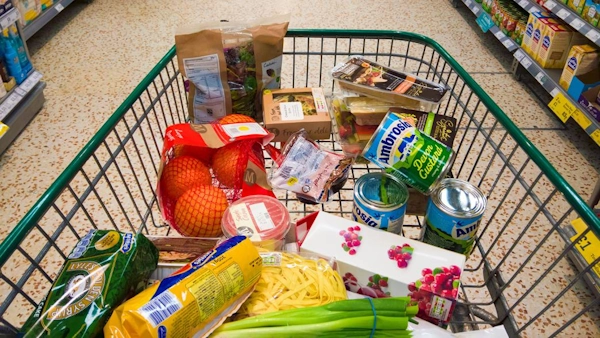
- Price Sensitivity and Inflation: How Rising Living Costs Are Shaping Consumer Spending in the UK
- Understanding Price Sensitivity in the UK Economic Context
- Key Factors Driving Price Sensitivity in the UK
- The Impact of Inflation on Consumer Spending Patterns
- Changing Consumer Priorities and Value-Oriented Purchasing
- Spending Adjustments During Inflation
- The Role of Retail Pricing Strategies in a High-Inflation Environment
- Digital Price Comparison and Smart Consumer Behaviour
- Inflation, Consumer Confidence, and Market Demand
- Sector-Specific Impact of Price Sensitivity in the UK
- Business Adaptation Strategies to Address Price Sensitivity
- Long-Term Implications for the UK Consumer Market
- Conclusion
Rising inflation and increasing living costs have significantly reshaped consumer spending behaviour in the UK, leading to heightened price sensitivity across multiple sectors. As household budgets face pressure from higher energy bills, housing costs, and everyday expenses, consumers are becoming more cautious, value-driven, and selective in their purchasing decisions. Price sensitivity refers to the degree to which consumers change their buying behaviour in response to price fluctuations, and in the current UK economic environment, it has become a dominant factor influencing market demand, brand loyalty, and overall consumption patterns. Businesses must understand these behavioural shifts to adapt pricing strategies, product offerings, and marketing approaches effectively.
Understanding Price Sensitivity in the UK Economic Context
Price sensitivity in the UK has intensified due to inflationary pressures affecting essential goods and services such as food, transportation, and utilities. When disposable income decreases or becomes uncertain, consumers prioritise essential spending while reducing discretionary purchases. This behavioural adjustment leads to more price comparisons, increased use of discounts, and a stronger focus on perceived value rather than brand prestige.
Consumers are also more likely to switch brands or retailers when prices rise significantly, particularly in sectors such as retail, groceries, and e-commerce. As a result, businesses must maintain competitive pricing structures while ensuring product quality and service value to retain customer loyalty.
Key Factors Driving Price Sensitivity in the UK
| Factor | Description | Consumer Behaviour Impact |
| Inflation Rates | Rising costs of goods and services | Reduced discretionary spending |
| Energy and Housing Costs | Increased household financial pressure | Budget-focused purchasing |
| Wage Growth vs Living Costs | Wage Growth vs Living Costs | Greater price comparison |
| Economic Uncertainty | Concerns about financial stability | Cautious spending behaviour |
The Impact of Inflation on Consumer Spending Patterns
Inflation directly affects purchasing power, altering how UK consumers allocate their budgets. As prices rise, consumers prioritise essential goods such as groceries, utilities, and transportation while reducing spending on luxury items, entertainment, and non-essential services. This shift results in changes in demand patterns across industries, particularly in retail and hospitality sectors.
Additionally, consumers increasingly seek promotions, bulk discounts, and private-label alternatives to manage rising costs. Supermarkets and budget retailers often experience increased demand during inflationary periods, reflecting a shift towards cost-conscious consumption.
Changing Consumer Priorities and Value-Oriented Purchasing
Modern UK consumers are becoming more value-oriented, focusing on affordability, durability, and long-term cost-effectiveness. Rather than making impulsive purchases, consumers are conducting more research, comparing prices online, and evaluating product value before making purchasing decisions.
This behaviour is particularly evident in sectors such as electronics, clothing, and household goods, where consumers delay purchases or opt for budget-friendly alternatives. Value perception now plays a critical role in consumer decision-making, often outweighing brand loyalty and premium positioning.
Spending Adjustments During Inflation
- Increased focus on essential goods and services
- Reduced spending on luxury and non-essential items
- Greater use of discounts, vouchers, and promotional offers
- Preference for budget brands and private-label products
The Role of Retail Pricing Strategies in a High-Inflation Environment
Retailers in the UK are adapting their pricing strategies to respond to increased price sensitivity among consumers. Dynamic pricing, promotional campaigns, and flexible payment options are commonly used to maintain customer engagement and sales volumes. Transparent pricing and value-based marketing also help businesses retain consumer trust during periods of economic uncertainty.
Competitive pricing analysis has become essential, as consumers are more likely to compare prices across multiple platforms before making purchases. Businesses that fail to adjust pricing strategies risk losing market share to more affordable competitors.
| Pricing Strategy | Implementation Approach | Consumer Response |
| Discount Promotions | Seasonal and targeted discounts | Increased purchase likelihood |
| Value Bundling | Offering combined product deals | Higher perceived value |
| Dynamic Pricing | Adjusting prices based on demand | Competitive positioning |
| Flexible Payment Options | Instalments and buy-now-pay-later | Improved affordability |
Digital Price Comparison and Smart Consumer Behaviour
The rise of digital platforms has made price comparison easier and more accessible for UK consumers. Online marketplaces, price comparison websites, and mobile shopping apps enable consumers to identify the best deals quickly. This increased transparency has intensified competition among businesses and strengthened consumer bargaining power.
Smart consumer behaviour now includes reviewing product ratings, comparing prices across retailers, and waiting for promotional periods before making purchases. This trend reinforces the importance of competitive pricing and strong digital presence for businesses operating in the UK market.
Inflation, Consumer Confidence, and Market Demand
Consumer confidence plays a crucial role in shaping spending behaviour during inflationary periods. When economic uncertainty rises, consumers tend to reduce discretionary spending and increase savings as a precautionary measure. Lower consumer confidence can lead to reduced demand for non-essential goods and services, impacting overall business revenue and market growth.
Businesses must closely monitor consumer sentiment and economic indicators to adjust their strategies accordingly. Understanding confidence levels helps organisations anticipate demand fluctuations and manage inventory and pricing effectively.
Sector-Specific Impact of Price Sensitivity in the UK
Different sectors experience varying levels of impact from inflation and price sensitivity. Essential sectors such as groceries and utilities maintain consistent demand, while discretionary sectors such as fashion, travel, and entertainment often experience reduced spending during high inflation periods.
| Sector | Impact of Inflation | Consumer Behaviour Trend |
| Retail & Groceries | Stable demand with price focus | Shift to budget options |
| Hospitality | Reduced discretionary spending | Selective spending |
| E-commerce | Increased price comparison | Value-driven purchases |
| Energy & Utilities | Higher essential expenditure | Reduced non-essential spending |
Business Adaptation Strategies to Address Price Sensitivity
To remain competitive in an inflation-driven economy, businesses must adopt strategic measures that align with consumer affordability and value expectations. Cost efficiency, supply chain optimisation, and value-focused marketing are essential strategies for maintaining profitability while supporting customer retention.
Additionally, businesses can enhance customer loyalty through personalised offers, loyalty programs, and transparent communication regarding pricing and value. These approaches strengthen trust and long-term customer relationships even during economic challenges.
Long-Term Implications for the UK Consumer Market
The long-term effects of inflation and price sensitivity are likely to reshape consumer expectations and market dynamics in the UK. Consumers may continue prioritising affordability, digital price comparison, and value-based purchasing even after inflation stabilises. This behavioural shift could lead to sustained growth in discount retailers, private-label products, and digital commerce platforms.
Furthermore, businesses that successfully adapt to price-sensitive markets by improving operational efficiency and offering strong value propositions will achieve greater resilience and competitive advantage in the long term.
Conclusion
Price sensitivity and inflation are significantly shaping consumer spending patterns in the UK, influencing purchasing decisions, brand loyalty, and overall market demand. Rising living costs have encouraged consumers to prioritise essential spending, seek value-driven products, and adopt more cautious financial behaviour. Businesses must respond by implementing adaptive pricing strategies, enhancing value propositions, and maintaining competitive positioning in a cost-conscious market. As economic conditions continue to evolve, understanding consumer price sensitivity will remain essential for sustaining profitability, customer retention, and long-term success in the UK business environment.