

Risk Management Frameworks for Organisational Stability and Business Continuity
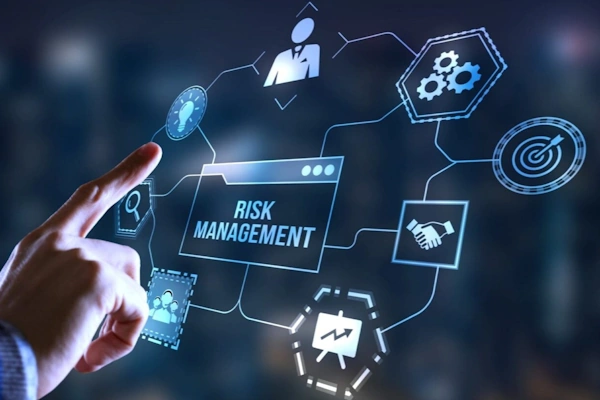
- Risk Management Frameworks for Organisational Stability and Business Continuity
- Understanding Risk Management Frameworks in Modern Organisations
- Core Components of a Risk Management Framework
- The Strategic Importance of Risk Management for Business Continuity
- Types of Organisational Risks in Modern Business Environments
- Major Categories of Business Risks
- Risk Assessment and Analytical Decision-Making
- Integration of Risk Management with Strategic Planning
- Key Benefits of Strategic Risk Integration
- Risk Mitigation Strategies for Organisational Stability
- Role of Leadership in Risk Management Implementation
- Technology and Risk Monitoring Systems
- Risk Management and Organisational Resilience
- Organisational Benefits of Strong Risk Management Frameworks
- Challenges in Implementing Risk Management Frameworks
- Long-Term Impact of Risk Management on Organisational Sustainability
- Conclusion
Risk management frameworks are essential strategic systems that enable organisations to identify, assess, and mitigate potential risks that may affect operational stability, financial performance, and long-term sustainability. In modern business environments characterised by economic uncertainty, technological disruptions, regulatory changes, and competitive pressures, organisations must adopt structured risk management approaches to ensure business continuity and organisational resilience. A well-designed risk management framework supports proactive decision-making, protects organisational assets, and enhances the ability to respond effectively to internal and external challenges.
Understanding Risk Management Frameworks in Modern Organisations
A risk management framework refers to a structured process used to identify, evaluate, monitor, and control risks that may impact organisational objectives. It provides systematic guidelines for assessing potential threats, prioritising risks based on severity, and implementing mitigation strategies.
Modern organisations integrate risk management into strategic planning and operational processes to ensure that risk considerations are embedded in decision-making. This proactive approach reduces uncertainty, improves strategic control, and strengthens organisational stability.
Core Components of a Risk Management Framework
| Component | Description | Strategic Importance |
| Risk Identification | Detecting potential internal and external risks | Early threat awareness |
| Risk Assessment | Evaluating risk likelihood and impact | Informed prioritisation |
| Risk Mitigation | Implementing control measures | Operational stability |
| Risk Monitoring | Continuous evaluation of risk factors | Long-term resilience |
The Strategic Importance of Risk Management for Business Continuity
Risk management frameworks play a crucial role in ensuring business continuity by preparing organisations for unexpected disruptions such as financial crises, cyber threats, operational failures, and market volatility. Businesses that adopt structured risk management systems can maintain operational consistency even during uncertain conditions.
Effective risk planning minimises operational downtime, protects financial resources, and enhances organisational adaptability. This strengthens stakeholder confidence and ensures sustainable business operations in dynamic environments.
Types of Organisational Risks in Modern Business Environments
Organisations face multiple categories of risks that require strategic monitoring and management. Understanding these risks allows businesses to develop targeted mitigation strategies and contingency plans.
Major Categories of Business Risks
| Risk Type | Description | Potential Impact |
| Financial Risk | Cash flow instability, market fluctuations | Financial losses |
| Operational Risk | Process failures and inefficiencies | Productivity decline |
| Strategic Risk | Poor strategic decisions and planning errors | Competitive disadvantage |
| Cybersecurity Risk | Data breaches and digital threats | Data loss and reputational damage |
| Compliance Risk | Regulatory and legal violations | Legal penalties and reputational harm |
Risk Assessment and Analytical Decision-Making
Risk assessment is a central element of risk management frameworks, involving the systematic evaluation of potential threats based on their probability and impact. Analytical tools, data modelling, and performance metrics are often used to assess risk exposure and prioritise mitigation strategies.
This structured analysis enhances decision-making by providing clear insights into potential challenges and uncertainties. Managers can develop contingency plans, allocate resources efficiently, and reduce the likelihood of major operational disruptions.
Integration of Risk Management with Strategic Planning
Modern organisations integrate risk management frameworks into their strategic planning processes to ensure that long-term objectives are aligned with risk mitigation strategies. This integration enhances strategic resilience and supports sustainable organisational growth.
By considering risks during strategic planning, organisations can anticipate market changes, technological disruptions, and financial uncertainties. This proactive alignment strengthens organisational stability and long-term performance.
Key Benefits of Strategic Risk Integration
- Improved long-term planning accuracy
- Enhanced organisational resilience
- Better resource allocation and risk control
- Reduced uncertainty in strategic decision-making
Risk Mitigation Strategies for Organisational Stability
Risk mitigation involves implementing policies, controls, and preventive measures to reduce the likelihood and impact of potential risks. Effective mitigation strategies ensure that organisations can manage disruptions efficiently while maintaining operational continuity.
Common mitigation strategies include diversification of revenue streams, cybersecurity systems, compliance frameworks, and operational contingency planning. These measures protect organisational assets and support stable business operations.
| Mitigation Strategy | Application Area | Organisational Outcome |
| Diversification | Financial and market risks | Reduced dependency risk |
| Cybersecurity Measures | Digital and data protection | System security |
| Compliance Systems | Regulatory adherence | Legal stability |
| Business Continuity Plans | Operational disruptions | Faster recovery |
Role of Leadership in Risk Management Implementation
Leadership plays a vital role in establishing and maintaining effective risk management frameworks. Leaders are responsible for fostering a risk-aware organisational culture, ensuring policy compliance, and promoting proactive risk monitoring.
Strong leadership commitment enhances accountability, strategic oversight, and organisational preparedness. Leaders must also ensure that risk management processes are integrated across all departments and aligned with organisational objectives.
Technology and Risk Monitoring Systems
Technological advancements have significantly improved risk management through real-time monitoring, data analytics, and automated risk detection systems. Digital dashboards, predictive analytics tools, and risk management software enable organisations to track potential threats and respond promptly.
Technology-driven risk monitoring enhances transparency, improves forecasting accuracy, and strengthens organisational control over operational and strategic risks.
Risk Management and Organisational Resilience
Organisational resilience refers to the ability of a business to adapt, recover, and maintain operations during disruptions. Effective risk management frameworks contribute directly to resilience by preparing organisations for crises and uncertainties.
Resilient organisations implement flexible strategies, contingency plans, and adaptive decision-making systems that enable them to respond effectively to evolving challenges and market disruptions.
Organisational Benefits of Strong Risk Management Frameworks
- Enhanced operational stability
- Improved crisis preparedness and response
- Stronger stakeholder trust and confidence
- Sustainable long-term organisational performance
Challenges in Implementing Risk Management Frameworks
Despite their strategic importance, implementing risk management frameworks can present several challenges, including lack of risk awareness, insufficient data integration, and resistance to organisational change.
| Implementation Challenge | Description | Strategic Solution |
| Limited Risk Awareness | Lack of risk-focused culture | Risk training programmes |
| Data Integration Issues | Fragmented risk data systems | Unified risk management platforms |
| Resource Constraints | Limited financial and human resources | Prioritised risk planning |
| Resistance to Change | Organisational reluctance to adopt frameworks | Leadership-driven change management |
Long-Term Impact of Risk Management on Organisational Sustainability
In the long term, structured risk management frameworks enhance organisational sustainability, governance, and strategic effectiveness. Businesses that proactively manage risks are better equipped to maintain financial stability, operational efficiency, and competitive advantage.
Furthermore, effective risk management supports regulatory compliance, ethical governance, and stakeholder trust, which are essential for long-term business success in complex and uncertain environments.
Conclusion
Risk management frameworks are essential for ensuring organisational stability, business continuity, and long-term sustainability in modern business environments. By systematically identifying, assessing, and mitigating risks, organisations can enhance strategic decision-making, operational resilience, and performance stability. The integration of risk management with strategic planning, leadership oversight, and technological monitoring systems further strengthens organisational preparedness and adaptability. In an increasingly uncertain and competitive global economy, organisations that adopt comprehensive risk management frameworks will achieve greater resilience, sustainable growth, and long-term strategic success.